

14 Nov Haarslev Eco Batch Cooker
Versatile Processing Across Multiple Applications
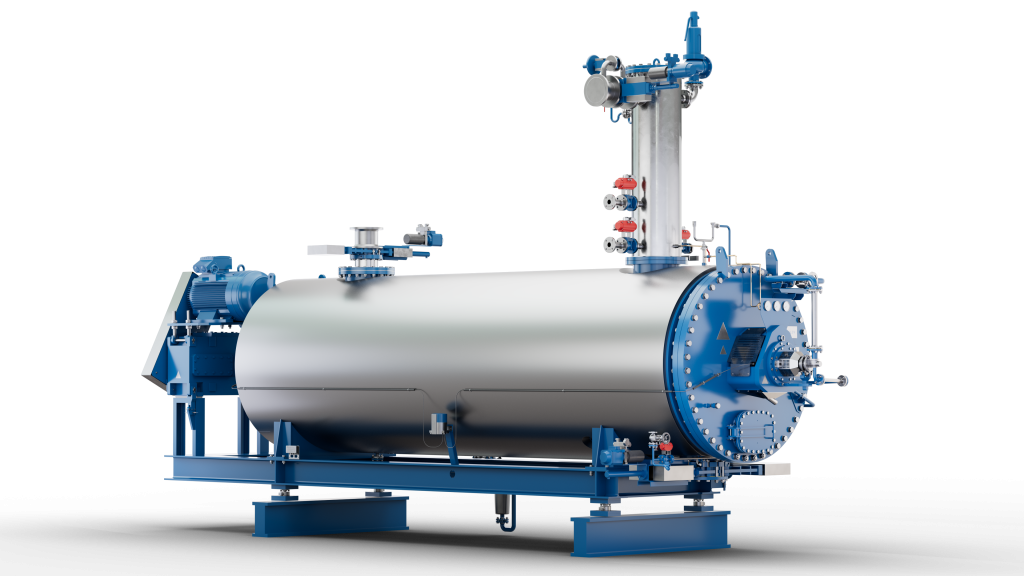
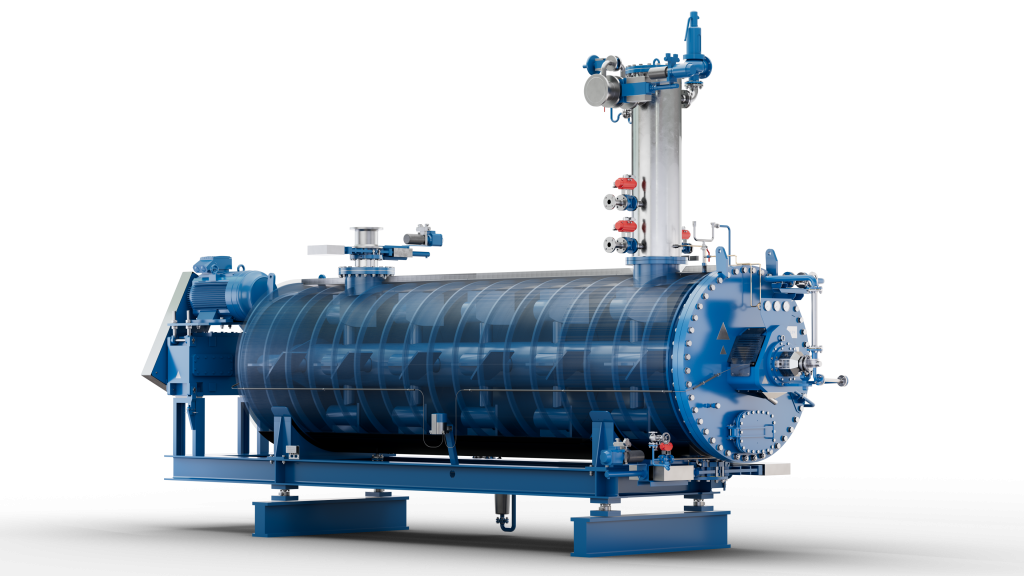
The Haarslev ECO Batch Cooker is a steam-heated, insulated pressure vessel that cooks animal by-products in batches to remove water, sterilise materials and enable fat separation. Steam circulates through the jacketed stator while internal agitators mix and scrape the load for even heating.
It efficiently processes mixed meat offal, bones, poultry offal and wet feathers, handling particles up to 50 mm without the need for pre-cooking crushing. Operating at 133°C, the cooker ensures reliable sterilisation performance, delivering consistent product quality across batches.
Reliable Performance for Consistent Rendering Results
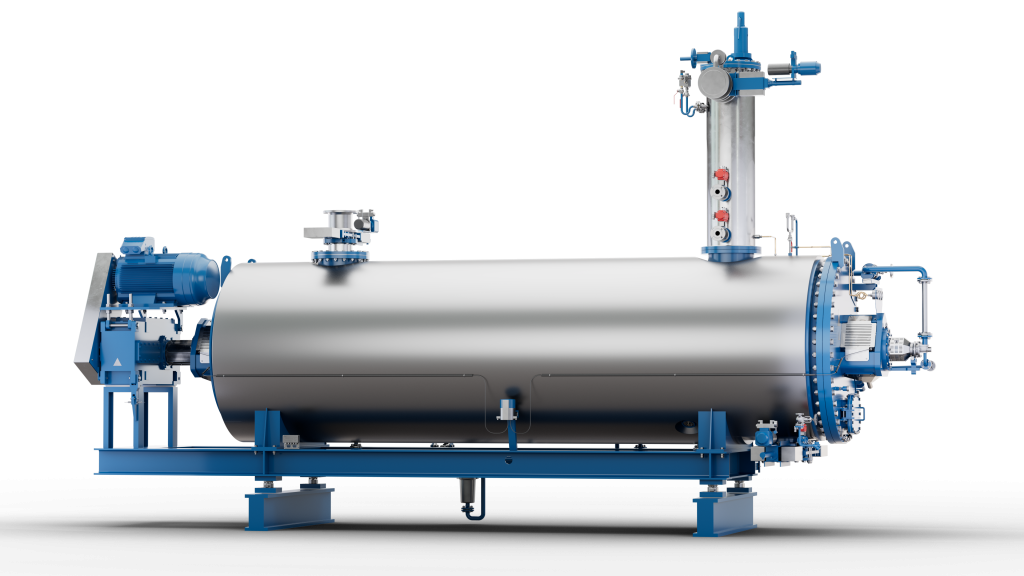
The ECO Batch Cooker ensures precise removal of moisture from input materials, which is crucial for effective fat separation and consistent end-product quality. Units are supplied pre-configured with all necessary valves, instruments, steam trap systems and insulation, allowing quick installation and reliable operation from the very start.
Engineered for Energy Efficiency and Sustainability
With its ECO redesign, Haarslev’s proven batch cooker technology now delivers measurable improvements in energy efficiency, durability and uptime.
The new stator design, with reinforcing rings for structural strength, improves thermal transfer and reduces steam requirements. This leads to approximately 1.2% lower energy consumption per batch and corresponding reductions in CO₂ emissions.
For Southern African processors focused on sustainability and responsible resource use, this provides a practical, measurable step toward more efficient operations and reduced energy consumption.
Longer Service Life and Maximum Uptime
Built for durability, the ECO Batch Cooker offers an estimated 13% longer service life compared with competing batch cooker solutions. This extended lifespan helps processors reduce downtime and maintain consistent operation over many years.
Designed for Reliable Operation, Easy Maintenance, and Safe Performance. The following features collectively support higher uptime, smoother operation and a stronger return on investment.
- 3% shorter batch times, enabling greater throughput per shift
- Enhanced internal scraping, reducing residue build-up and the need for cleaning – saving up to 10 cleaning stops annually
- Automatic charging and discharging, plus automatic steam and vapour control, improving workflow safety and reducing manual handling.
A Summary – key questions answered
Q1: How does the ECO Batch Cooker improve reliability? Automatic charging and discharging, enhanced internal scraping and integrated steam and vapour control help maintain consistent batch operation, reduce residue build-up and minimise downtime, with up to 10 fewer cleanings per year.
Q2: How does it improve energy efficiency? The redesigned stator with reinforcing rings improves thermal transfer, cutting energy use by approximately 1.2% per batch compared to competing solutions, while also lowering CO₂ emissions – offering significant savings in an energy-intensive rendering sector.
Q3: How does it support faster processing? Each batch cycle is about 3% shorter, enabling more batches per shift and greater overall throughput without additional energy or manpower – this is ideal for meeting demand spikes in South Africa’s poultry and meat processing industries.
Q4: Can it handle different raw materials and sterilisation requirements? Yes. The Eco Batch Cooker can process mixed meat offal, bones, poultry offal and wet feathers, operating reliably at 133°C for full sterilisation. It also accommodates larger particles (up to 50 mm), reducing the need for pre-cooking crushing.
Q5: What is included in delivery? Each unit is delivered as a pre-configured system with all valves, instruments, insulation, steam traps and controls – enabling fast installation and immediate operation to minimise startup costs.
Enquire below to learn how the Eco Batch Cooker can help you tackle rendering bottlenecks and excess waste, setting the stage for efficient production of cleaner, higher-yield meal and oil downstream.